
How Cleanrooms Prevent Contamination
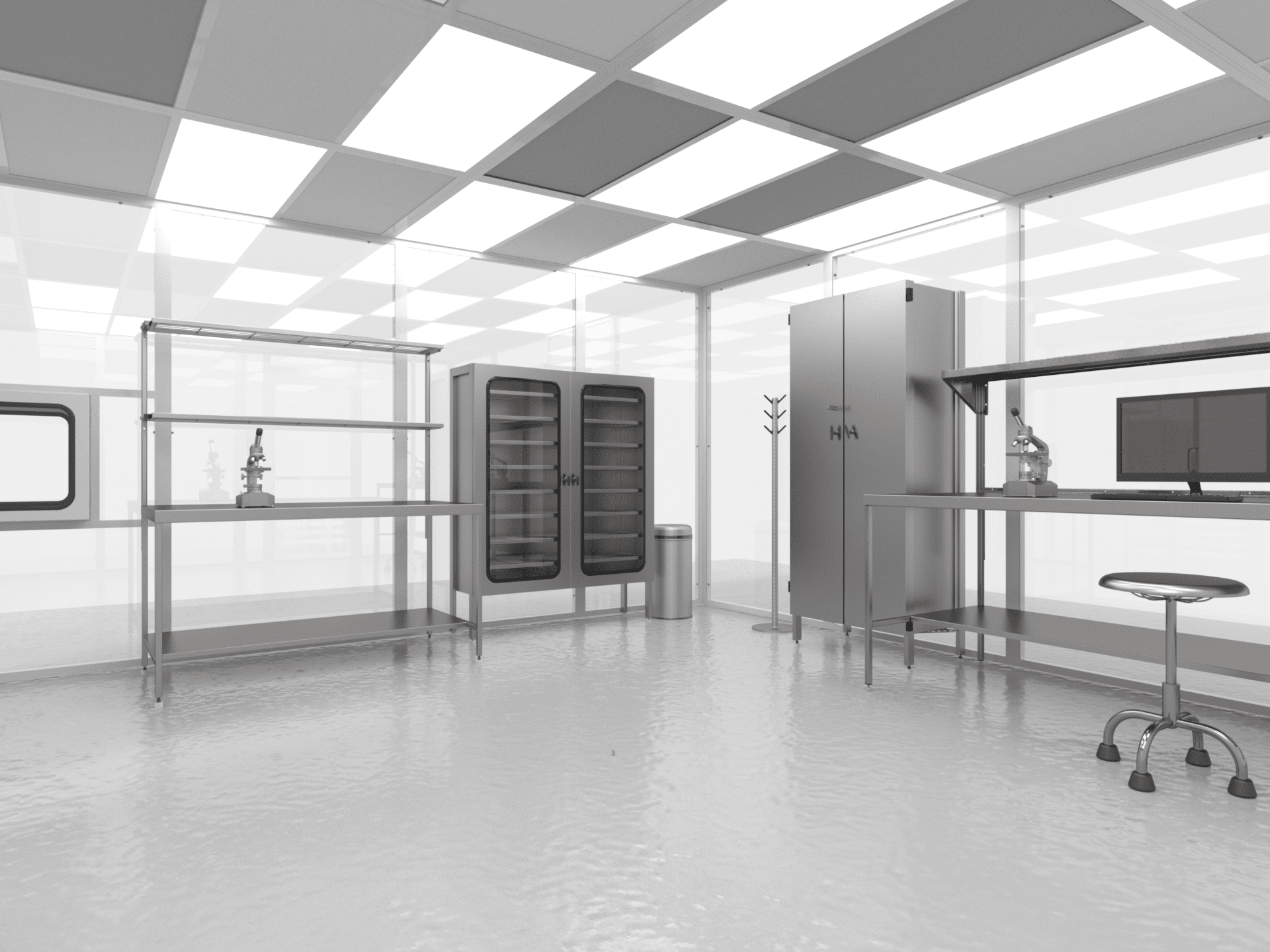
Cleanrooms are essential in industries where even the smallest contaminants can compromise product integrity, safety, or research outcomes. But how do cleanrooms prevent contamination, and what makes them different from ordinary rooms? In this post, we’ll break down the science and structure behind cleanroom design, airflow, and material control so you can better understand how cleanrooms maintain ISO compliance and ultra-clean environments.
What Is a Cleanroom?
A cleanroom is a highly controlled environment designed to limit the concentration of airborne particles, such as dust, microbes, and aerosols. These environments are used in industries like pharmaceuticals, biotechnology, microelectronics, aerospace, and healthcare, where contamination must be minimized or eliminated.
Cleanrooms are rated using ISO 14644-1 classifications, which define the number and size of particles permitted per cubic meter of air. The lower the ISO number (e.g., ISO 5), the cleaner the room.
How Cleanrooms Prevent Contamination
Cleanrooms prevent contamination through a combination of controlled structure, airflow engineering, and strict procedural discipline. Let’s explore how these systems work together to protect your processes.
1. Contained and Controlled Space
The first line of defense against contamination is creating a sealed and dedicated cleanroom area. This can be achieved using modular cleanroom structures—like softwall or rigidwall cleanrooms—which are designed to isolate the clean zone from the surrounding environment.
Key features include:
- Air-tight seals around ceilings, wall panels, and flooring
- Antimicrobial materials that resist microbial growth
- Gowning rooms or anterooms to minimize particle transfer from personnel
By establishing a quarantined space, the cleanroom provides a controlled environment where airflow, pressure, and cleanliness levels can be regulated.
2. Filtered Airflow Systems
The core of how cleanrooms prevent contamination lies in their air handling systems. These systems constantly move and filter air to remove particulates and maintain positive pressure.
Laminar (Unidirectional) Airflow
- Delivers filtered air in smooth, parallel streams, typically from ceiling to floor
- Prevents turbulence that could cause particle buildup
- Requires cleanroom-friendly layouts that do not obstruct airflow
Turbulent (Non-Unidirectional) Airflow
- Used when equipment or room layout prevents a fully laminar system
- Velocity filters mix and clean the air in corners or dead zones
- Still maintains cleanliness but is best for less stringent ISO classes
Air is continuously cycled through HEPA or ULPA fan filter units (FFUs) mounted in the ceiling or walls. These filters capture 99.99% to 99.9995% of particles as small as 0.3 microns or smaller. Cleanrooms often use positive pressure to ensure that if a breach occurs, clean air flows out rather than contaminated air flowing in.
3. Cleanroom Interior Design and Materials
To maintain cleanliness inside the room, all surfaces and furnishings are chosen for their durability and low particulate shedding. Common materials include:
- Stainless steel work surfaces
- Polyurethane-coated chairs
- Non-porous walls and ceilings
These materials are easy to disinfect and do not harbor microbes. Furthermore, modular cleanrooms like those from Technical Air Products can be fitted with roomside replaceable FFUs, making maintenance easier and safer without compromising cleanliness.
4. Controlled Personnel and Material Entry
The largest source of contamination in cleanrooms is people. Cleanroom protocols typically require:
- Full gowning procedures, including gloves, masks, and coveralls
- Air showers or sticky mats at entry points
- Limits on fibrous or shedding materials like paper or cardboard
- Gowning rooms and anterooms that serve as transitional zones
Together, these procedures reduce the number of contaminants brought in by staff, tools, or equipment.
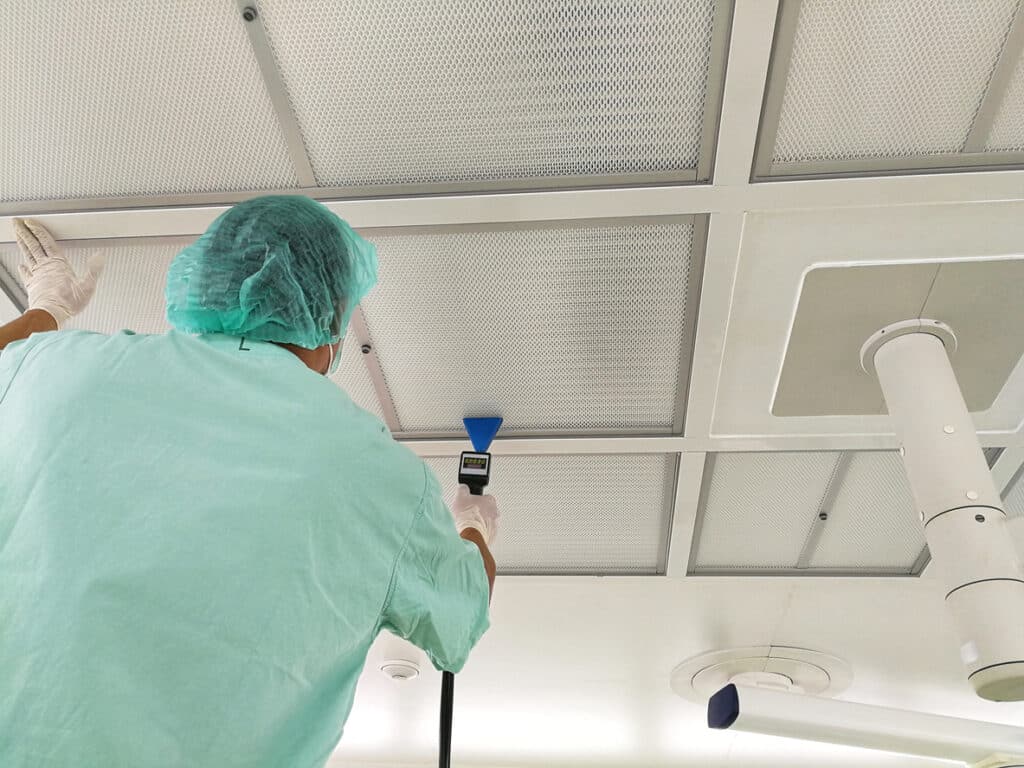
When asking how cleanrooms prevent contamination, it’s essential to consider the entire system: isolation, engineered airflow, advanced filtration, clean construction materials, and strict entry protocols. At Technical Air Products, we specialize in modular softwall and rigidwall cleanrooms that meet ISO 4–8 classifications. Our cleanrooms are designed for easy installation, long-term efficiency, and ISO compliance.
If you’re evaluating cleanroom solutions for your organization, explore our softwall cleanroom and rigidwall cleanroom options today.
FAQ
What is the primary purpose of a cleanroom?
A cleanroom’s primary purpose is to control and minimize airborne particle contamination to protect sensitive products, components, or research environments.
How does airflow prevent contamination in a cleanroom?
Cleanrooms use specialized airflow systems—either laminar or turbulent—to move filtered air continuously through the space, pushing contaminants out and preventing buildup in dead zones.
What kind of filters do cleanrooms use?
Cleanrooms typically use HEPA (High-Efficiency Particulate Air) or ULPA (Ultra-Low Penetration Air) filters to remove 99.99% to 99.9995% of airborne particles. These are integrated into fan filter units (FFUs) for maximum efficiency.
What materials are allowable inside a cleanroom?
Only materials that don’t shed particles, like stainless steel, coated polymers, and non-fibrous fabrics, are allowable. Items like paper or cardboard are usually not, due to particulate shedding.
Do cleanroom workers contribute to contamination?
Yes. Humans are the biggest source of contamination in cleanrooms. That’s why cleanroom personnel must wear full protective clothing, including gowns, masks, gloves, and shoe covers, and enter through gowning or anterooms.
Can modular cleanrooms prevent contamination as well as permanent cleanrooms?
Yes. Modular cleanrooms, when properly designed and maintained, offer the same level of contamination control and can be built to meet ISO 4 to ISO 8 classifications. They are a flexible and cost-effective option for many industries.
What’s the role of air pressure in cleanroom contamination control?
Cleanrooms typically use positive air pressure to ensure that if there’s a leak, filtered air flows out of the cleanroom instead of allowing contaminated air to enter from outside.
How do roomside replaceable FFUs help with contamination control?
Roomside replaceable FFUs allow for filter changes without opening the cleanroom ceiling or compromising the clean environment, reducing maintenance-related contamination risks.
Leave a Reply